

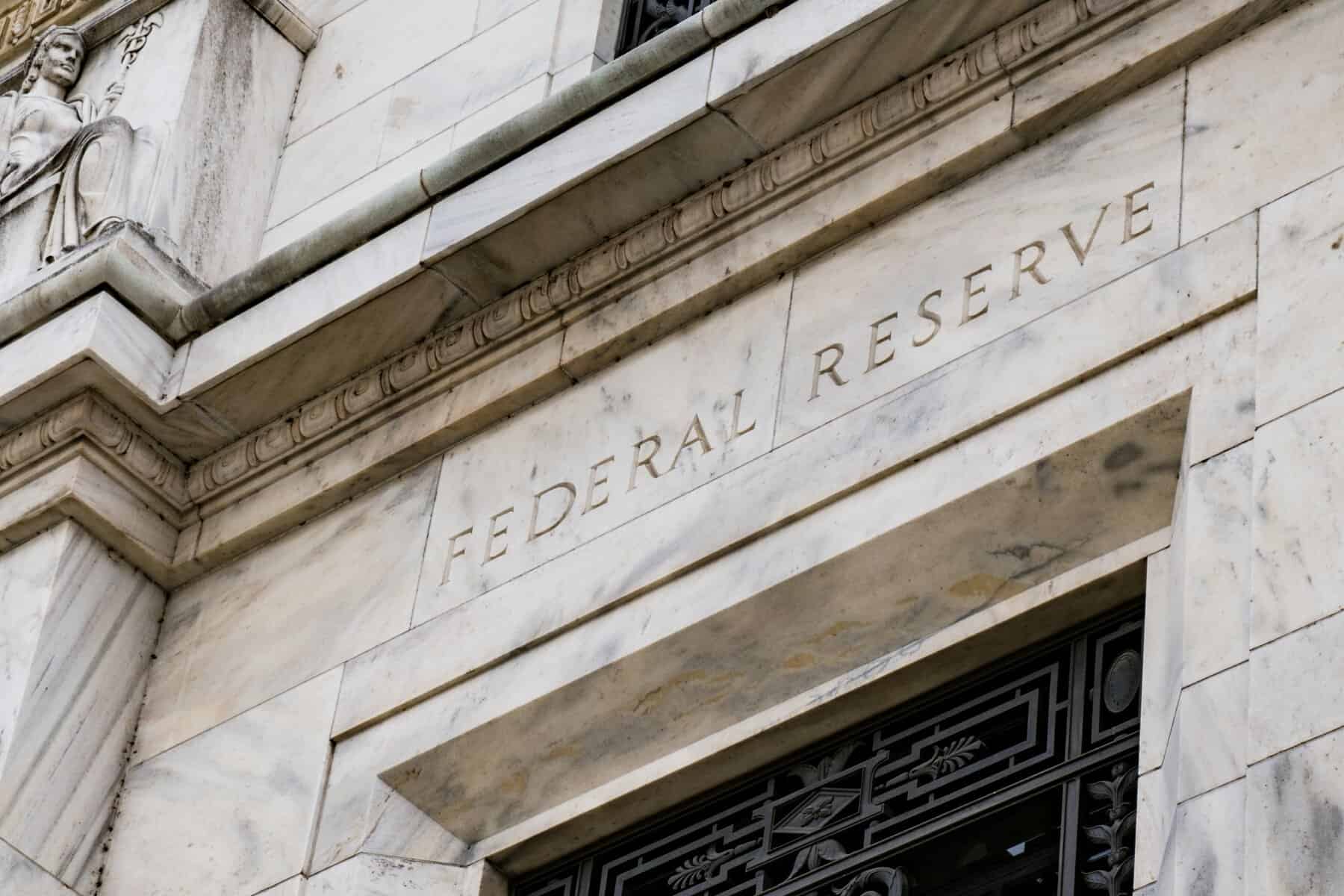

There is an investment adage that says, “Don’t fight the Fed.” Put simply, when theFederal Reserve, the Fed,is providing liquidity to the markets, it should be an overall positive for the stock market, and you should be invested. There is an incredible amount of financial support for the market currently.
The late Dr Martin Zweig is largely credited for coining the phrase “Don’t fight the Fed.” In his 1970 bookWinning on Wall Street,he talks about the importance of monetary policy to stock market returns, particularly the trend in interest rates and specifically the Federal Reserve either tightening or easing the Fed Funds rates.
The Federal Reserve is the central bank of the United States. Interestingly it is owned by its members’ banks.
The stockmarkethas ceased to be a report card on the broad health of American commerce and instead is beingmanipulatedby theFederal Reserve. Easy money and plentiful liquidity are themarket’sdrug, and when they’re taken away, the withdrawal will be rough.
By keeping interestrateslow, theFedcan promote continued job creation that leads to tighter labour markets, higher wages, less discrimination, and better job opportunities —especially within those communities still struggling post-recession.
Is the Fed monetising government debt? Under this scenario, theFedis notmonetisinggovernmentdebt – it is simply managing the supply of the monetary base in accordance with the goals set by its dual mandate. Some means other than money creation will be needed to finance the Treasurydebtreturned to the public through open market sales.
Butcan the Fedpropmarkets upindefinitely? Evidence suggests the answer to that is no. TheFed’sintervention may have inflated an epicstock marketbubble threatening to pop at the end of the summer.
That market optimism continues to be backed up by an abundance of liquidity. The week’s main market event was a speech from US Federal Reserve (Fed) Chair Jerome Powell, in which he – expectedly – announced a break from past Fed policy. From here on, it will allow inflation to rise above the 2% target for short periods of time, in the same way, that inflation has often undershot that target. The announcement changes nothing right now, with the Fed holding interest rates at near-zero and pumping huge amounts of capital into the financial system. However it confirms what investors have suspected for some time: easy monetary policy is here to stay, even when the economy starts whirring again.
Tesla’s value by market capitalisation is now equal to the next top 5 car makers combined, as share values continued to soar on Thursday, 27 August settling at $US2,238.75 for a total value of $US417 billion.It has a PE ratio of 1,152. When you consider that the average PE of the market is 15, and a PE ratio of 20 or more is expensive, then Tesla’s PE ratio is off the Richter scale. In my experience, Tesla is one of the most overvalued companies in history. We feel this one stock is symptomatic of the massive over-valuation of the US stock market currently.
The market is in a bubble the likes of which we haven’t seen since 1927 and 1999. I remember living through the dotcom bubble of 1999 and its subsequent burst in 2000. The current US stock market mania is very reminiscent of that period.
The only thing left for theFedis tobuy stocks. Thecentral bank has already startedbuyingexchange-traded funds (ETFs).
However, the Fed can do much more and it may be eyeing the stock market.At the moment it’s illegal for the Fed to invest directly in stocks – it would take an act of Congress to change that. Nonetheless, it’s pretty clear the financial wizards nestled in Washington’s Foggy Bottom neighbourhood can get around that prohibition with relative ease.
In fact, they already have. With the credit facilities mentioned above, the Fed is technically the banker and the Treasury Department is the purchaser.
In March, the Fed retained the world’s largest asset manager, BlackRock, to make and manage its asset purchases. An agreement on 25 March gave the investment firm “full power and authority” to act on the Fed’s behalf “with respect to thepurchase, sale, exchange, conversion, or other transaction in any and allstocks, bonds, other securities, or cash…” (source: www.newyorkfed.org)
I’ve emphasised the words “purchase” and “stocks” in that sentence because buying stocks would be an unprecedented move on the Fed’s part.
Though globally, there is precedent for such a move. The central banks of Japan and Switzerland have bought equities in recent years (source: qz.com). So they would be the Fed’s model if it chose to go that direction. What would it take for the Fed to roll out this dramatic option?
Many Fed watchers think the stock market would have to suffer a serious fall, possibly testing the lows it hit in mid-March, for the Fed to buy stocks. Stepping in at such a moment would put a solid floor under the market. It might even send stock prices straight back up.
However, I am still of the strong opinion that it will all end in tears. No government, not even the US one, can artificially prop up markets forever. I fully expect a large correction of the US stock market probably in the next six months though nobody knows if or when this will happen.
The CCM Intelligent Wealth Fund is well positioned to take advantage of such market weakness when it does occur because of our cautious strategy of investing about 25% of the fund in gold ETFs and cash or cash equivalents as well as mostly under-valued small and mid cap stocks. Once the US stock market does have a large fall we will be buying many excellent quality shares at very discounted prices.
Presently our fund is under-performing the Investment Association’s Global sector which is heavily invested in large US companies especially tech stocks. Our fund appears to be poorly managed but it isn’t. We are simply being patient and accepting short-term underperformance because we don’t want to get caught out when the bubble bursts. As Warren Buffet once said “Only when thetidegoes out do you discover who’s been swimming naked.”
We believe in buying high-quality under-valued shares in the seven themes of the fund. We refuse to overpay for shares so we do not invest in shares which are in a bubble such as Tesla. You know it makes sense*.
*The value of investments and the income from them may fall as well as rise. Consequently, you may not receive back the amount originally invested. This communication is for general information only and should neither be construed as constituting advice nor be relied upon in making any investment decisions nor an invitation to consider or subscribe for shares in the CCM Intelligent Wealth Fund. You are recommended to seek competent professional advice before taking any action. Any statements concerning the tax treatment of products and their benefits are based on our understanding of current tax law and HM Revenue and Customs’ practice. Levels and bases of tax relief are subject to change.


